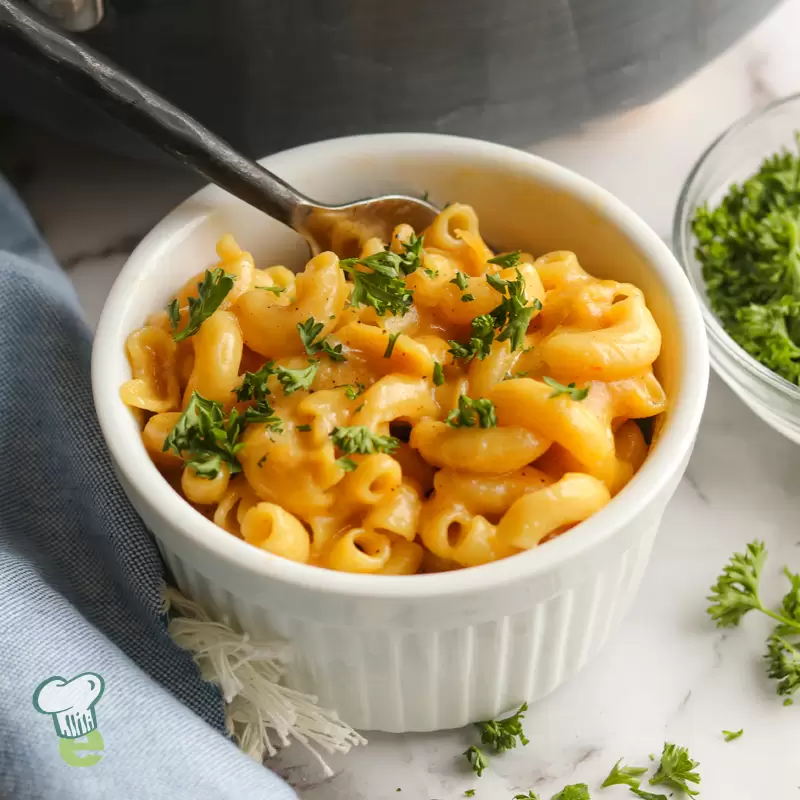
Low Calorie, High Protein: Healthy Mac and Cheese Upgrades
As the days grow shorter and the air turns crisp, there's an undeniable yearning for comforting, soul-warming meals. And when it comes to ultimate comfort food, few dishes rival the beloved mac and cheese. Its creamy, cheesy goodness evokes nostalgia and a sense of coziness that's hard to beat. However, the traditional rendition, while delicious, often comes with a hefty dose of calories, saturated fat, and refined carbohydrates, making it less than ideal for a regular spot in a health-conscious diet. But what if we told you that you don't have to banish this classic from your menu? With a few smart, intentional upgrades, you can transform your mac and cheese into a nutritious, low-calorie, high-protein powerhouse that still delivers on taste and comfort. Get ready to discover how to make healthy mac and cheese a delicious reality for any day of the week.
The Core Challenge: Making Mac & Cheese Truly "Healthy"
The traditional mac and cheese recipe typically features refined white pasta, a béchamel sauce enriched with butter, whole milk, and copious amounts of high-fat cheese. While undeniably delicious, this combination results in a dish that can be calorically dense, high in saturated fat, and often lacking in essential nutrients like fiber and protein. The challenge, then, is to maintain that irresistible creaminess and cheesy flavor while significantly boosting the nutritional profile. This isn't about sacrificing taste; it's about smart substitutions and strategic additions that enhance both flavor and health benefits.
Our goal is to create a version that is more balanced, offering sustained energy, satiety, and a broader spectrum of vitamins and minerals. By focusing on whole ingredients, lean proteins, and a wealth of vegetables, we can craft a mac and cheese that truly nourishes the body without compromising on the comfort food experience. Think of it as an evolution of a classic, where every spoonful is a step towards better health.
Powering Up Your Pasta: Protein and Fiber Heroes
The foundation of any mac and cheese is, of course, the macaroni. This is an excellent starting point for a nutritional upgrade. Swapping out traditional white pasta for more wholesome alternatives can dramatically increase your dish's fiber and protein content, contributing to greater satiety and better digestive health.
- Whole Wheat Pasta: This is an easy first step. Whole wheat macaroni retains the bran and germ of the wheat kernel, providing significantly more fiber than its refined counterpart. It offers a slightly nuttier flavor and a heartier texture that holds up beautifully in a cheesy sauce.
- Legume-Based Pastas: For an even bigger protein punch, consider chickpea, lentil, or edamame pastas. These varieties are naturally gluten-free and pack an impressive amount of plant-based protein and fiber, making them an ideal choice for a high-protein, low-calorie mac and cheese. They cook similarly to traditional pasta but provide a nutritional profile that's hard to beat.
Beyond the pasta itself, integrating lean protein sources directly into your mac and cheese can transform it into a complete, balanced meal:
- Lean Meats: Cooked and shredded chicken breast (consider the spicy kick of buffalo sauce as a flavor enhancer!), lean ground turkey, or even diced ham can be folded into the cheesy mixture. This not only boosts protein but also adds savory depth.
- Dairy Protein: Don't overlook the power of dairy for protein. Blending low-fat cottage cheese or Greek yogurt into your sauce creates an incredibly creamy texture while adding a significant amount of protein and reducing overall fat. The tanginess of Greek yogurt can also brighten the flavors.
- Plant-Based Protein Boosts: For vegetarian and vegan versions, cooked white beans or lentils can be pureed into the sauce for extra creaminess and protein, or added whole for texture. Tofu or tempeh crumbles, seasoned well, can mimic ground meat.
Veggie Victory: Sneaking in Nutrients & Flavor
One of the most effective ways to make your mac and cheese healthier is to load it with vegetables. This strategy adds essential vitamins, minerals, and fiber, and can even contribute to the creamy texture and flavor of the dish, allowing you to reduce the amount of cheese or fat.
- Pureed Powerhouses: This is where many healthy mac and cheese recipes truly shine. Roasting and then pureeing vegetables like butternut squash, cauliflower, or pumpkin directly into your cheese sauce provides an incredibly smooth, velvety texture without adding extra fat. Butternut squash lends a sweet, earthy flavor and a beautiful orange hue, while cauliflower offers a neutral base that thickens the sauce imperceptibly, making it an excellent choice for picky eaters.
- Leafy Green Goodness: Wilting a generous helping of fresh spinach, kale, collard greens, or Swiss chard directly into your hot cheese sauce is a simple yet impactful upgrade. These dark leafy greens are packed with vitamins (A, C, K), iron, and calcium. They add a vibrant color and a subtle earthy flavor that complements the richness of the cheese.
- Colorful Additions for Texture and Taste: Beyond purees and wilted greens, incorporating other vegetables adds delightful bursts of flavor and texture. Sweet corn kernels (especially fresh off the cob!), diced tomatoes, steamed broccoli florets, peas, roasted bell peppers, or sautéed mushrooms can elevate your mac and cheese into a truly gourmet experience. For a bit of heat, consider dicing and sautéing poblano or jalapeño peppers. If spice isn't your preference, green bell peppers are a milder alternative.
- Aromatic Foundations: Don't forget the power of aromatics. Sautéing finely minced garlic and onions before building your sauce adds a foundational layer of flavor that can reduce the perceived need for excessive salt or fat.
Crafting the Creamy, Cheesy Sauce: Smart Swaps
The sauce is the heart of any mac and cheese, and where many of the calorie and fat-saving opportunities lie. The goal is to achieve that decadent creaminess and robust cheesy flavor with leaner ingredients.
- Strategic Cheese Selection: You don't need a mountain of cheese for incredible flavor. Opt for sharper, more flavorful cheeses like extra-sharp cheddar, Monterey Jack, or Gruyere. A little goes a long way with these, allowing you to use less cheese overall while still achieving that distinct cheesy taste. Pairing a strong cheese with a milder one, or with nutritional yeast, can also optimize flavor.
- Leaner Liquid Bases: Instead of whole milk or heavy cream, use skim milk, unsweetened almond milk, or low-sodium vegetable broth as the base for your sauce. The pureed vegetables (squash, cauliflower) mentioned earlier will compensate for any lost body and richness.
- The Magic of Cottage Cheese or Greek Yogurt: As mentioned, blending low-fat cottage cheese or plain Greek yogurt into your sauce is a game-changer. It adds protein, reduces fat, and creates an incredibly smooth, thick, and creamy texture that rivals traditional roux-based sauces. The slight tang from yogurt also brightens the overall flavor profile.
- Nutritional Yeast: For an umami-rich, cheesy flavor without dairy, especially in vegan versions, nutritional yeast is your secret weapon. It provides a distinct savory, cheesy note and is also a good source of B vitamins.
- Vegan & Dairy-Free Delights: For those avoiding dairy, achieving that gooey, cheesy texture can seem daunting. However, it's entirely possible and incredibly delicious. A blend of cashews (soaked and blended), nutritional yeast, pureed butternut squash or cauliflower, and plant-based milk creates a surprisingly authentic "cheese" sauce. This approach is highlighted beautifully in recipes like our Vegan & Veggie Mac: Delicious Dairy-Free Comfort Food Ideas.
- Flavor Boosters: A teaspoon of Dijon mustard, a dash of smoked paprika, a pinch of cayenne pepper, or even a splash of white wine can deepen the complexity of your sauce, allowing you to use less cheese while still achieving maximum flavor impact.
Beyond the Pot: Cooking Methods & Smart Sides
The way you prepare and serve your mac and cheese can also contribute to its overall healthfulness and enjoyment.
- One-Pot Wonders: Many healthy mac and cheese recipes are designed as one-pot meals. This not only saves on cleanup but often involves cooking the pasta directly in the sauce, allowing it to absorb more flavor and achieve a creamier consistency with less added fat. This method is incredibly convenient for weeknight dinners.
- Baked for Comfort: If you love a baked mac and cheese, consider a crispy topping made from whole-wheat breadcrumbs mixed with a sprinkle of Parmesan or nutritional yeast, rather than a heavy butter-and-cheese crust. This adds texture without excessive calories.
- Skillet Dinners: Skillet mac and cheese recipes often lend themselves to quicker preparation and easier incorporation of vegetables and lean proteins.
- Portion Control: Even with all the healthy upgrades, mac and cheese is still a comforting dish. Being mindful of portion sizes is key. Consider serving it in smaller bowls or as a side dish rather than the main event for every meal.
- Pair with Freshness: Complement the richness of your mac and cheese with a vibrant, fresh side salad dressed with a light vinaigrette. This adds contrasting textures, flavors, and a boost of raw vegetables, creating a more balanced and satisfying meal.
Gone are the days when mac and cheese had to be a guilty pleasure. By embracing wholesome ingredients, smart substitutions, and creative flavor combinations, you can enjoy a dish that is both deeply comforting and genuinely good for you. From rich, veggie-pureed sauces to protein-packed pastas and lean meat additions, the possibilities for healthy mac and cheese upgrades are endless. Experiment with different vegetables, explore plant-based alternatives, and discover your new favorite way to indulge in this classic. Your taste buds and your body will thank you!
